AR-NTD
IOR and Andrea Alimonti
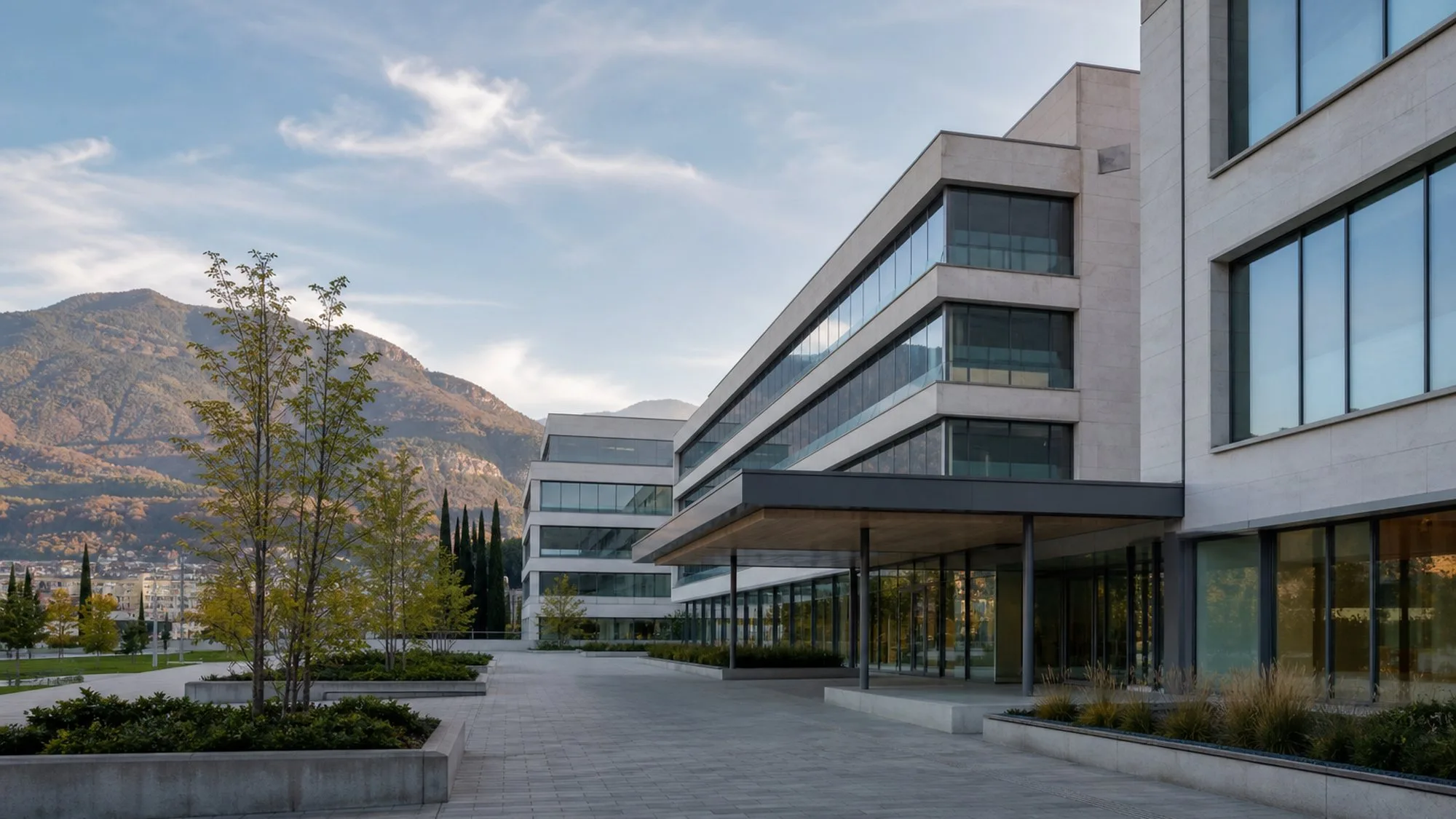
Deepening AR-NTD mechanism of action with prostate cancer resistance biology at IOR in Bellinzona.
- Prostate cancer resistance
- Androgen receptor pathway
- Translational oncology models
Why we partner
First-in-class AR-NTD therapeutics require more than a binder. They require a precise reading of how the disordered N-terminal domain drives transcription when ligand-binding-domain therapies fail. We partner with IOR and Prof. Andrea Alimonti to advance that disease biology and mechanism-of-action understanding in models that reflect castration-resistant prostate cancer as it presents in the clinic.
Scientific focus
Prof. Alimonti directs the Institute of Oncology Research and leads a molecular oncology program centred on prostate cancer therapy resistance, cellular senescence, the tumour microenvironment, and mechanisms that keep androgen receptor signalling alive after standard antiandrogens. That expertise maps directly onto Peptone's AR-NTD programs, which engage the intrinsically disordered activation domain that splice variants and ligand-independent signalling continue to use.
What Peptone brings
Peptone contributes a disorder-first platform: HDX-MS and ensemble modelling that map transient pockets on AR-NTD, together with fully synthetic small molecule series designed to hold the domain in a transcriptionally silent state. Our Bellinzona laboratory sits alongside IOR, which shortens the loop between biophysical design and translational biology.
What we do together
Together we interrogate how Peptone compounds engage AR-NTD biology in cutting-edge prostate cancer models, including settings where ligand-binding-domain inhibitors no longer control disease. The collaboration focuses on mechanism of action, resistance context, and preclinical readouts that inform which chemical series deserve to advance.
Therapeutic ambition
The purpose of this collaboration is to generate first-in-class AR-NTD therapeutics by giving Peptone access to disease biology and models ahead of the field. We are not outsourcing discovery. We are pairing measured disordered-protein chemistry with the translational insight required to turn that chemistry into medicines for men with metastatic castration-resistant prostate cancer.